
It can feel like you’re attempting to navigate your way through a maze while blindfolded when you’re depressed. It’s hard to understand, annoying, and let’s be honest, a little tiring. But what if I told you that making objectives that are possible could help you see the way? Yes! You may make a healing plan that seems doable by turning those big mountains of expectations into smaller hills. Grab a snack (I suggest chocolate because why not?) and let’s get started on how to develop realistic goals for dealing with sadness.
Top Takeaways and Key Concepts
- Break large tasks into small, manageable goals to avoid feeling overwhelmed.
- Celebrate every small win, even daily routines, to boost motivation and mood.
- Write down realistic goals to increase commitment and track progress effectively.
- Seek support from friends, family, or professionals to share challenges and gain guidance.
- Adjust goals as needed to match energy levels, abilities, and circumstances.
Summary:
The text emphasizes using realistic, achievable goals to cope with depression and regain a sense of progress. It encourages breaking big tasks into small steps, celebrating even minor victories, and tracking goals to boost motivation and self-esteem. Support from friends, family, or therapists is highlighted as a key factor in sustaining progress, while flexibility in adjusting goals ensures they remain achievable despite fluctuating energy or circumstances. Overall, the guide stresses that progress is personal, cumulative, and should be acknowledged, helping individuals build momentum and resilience on their journey to improved mental health.
Understanding What Realistic Goals Are

Please Note: This post may contain affiliate links. If you click one of them, we may receive a commission at no extra cost to you. As an Amazon Associate, I earn from qualifying purchases.
Did you know that setting realistic goals can actually help combat depression? In a study, researchers found that people who set small, achievable goals reported a 30% increase in their mood and motivation. So, instead of aiming to become a world-class chef overnight, start with mastering the art of boiling water—baby steps!
“Success is the sum of small efforts, repeated day in and day out.” – Robert Collier
What do we mean when we say “realistic goals”? It sounds fancy, but all it entails is defining goals that you can reach based on where you are in life right now. Wow, what if you had to run a marathon after only walking around the block? Putting on your sneakers and taking baby steps is better than trying to get to the finish line straight away. For real!
When you’re depressed, it’s important to think about how much mental and emotional energy you have. Running a marathon on an empty tank is like trying to run a marathon—it’s hard and frequently impossible! Some days, simply getting out of bed feels like climbing Everest. And then there are the days when you have to do things like deep clean your whole house or write that bestselling novel (which, let’s be honest, might not even exist in the first place). If you’re staring at a pile of laundry or a blank page and wondering how you’re going to take over the world today, take a deep breath. Take a deep breath and let it out slowly. It’s fine to have days when the most important thing you do is put on pants.
Amusing Insights on Realistic Goals
– The 10,000-Hour Rule: It takes about 10,000 hours to become an expert at something. That’s like spending four years doing nothing but practicing the ukulele—just to impress your cat!
– Goal Setting and Chocolate: Studies show that people who set small goals are more successful. So next time you aim for a “healthy lifestyle,” just remember: one piece of chocolate is a goal, two pieces is ambition!
– Procrastination Perks: Believe it or not, some studies say that procrastinators can be more creative! So if you’re putting off writing that paper, you might just invent the next great idea while avoiding it—like how to make a sandwich with only one slice of bread!
Without overwhelming yourself, setting smaller milestones can help build your confidence and motivate you. Consider it in this manner: if you go to try jumping from zero to sixty in one time, you might only end up crashing and burning. Instead of such a move, why not start slowly? Imagine you setting up mini-goals that are your next steps towards feeling good again. As an example, an ambitious goal of decluttering your entire living room in one day might be so huge that it feels as if you were climbing Mount Kilimanjaro, so why not just clear one shelf off?
These small accomplishments are important because they make it possible to progress little by little without the shadow of needing to be perfect all the time. You complete a mini-goal each time, be it that organizing the shelf or writing a paragraph instead of the whole chapter, you provide yourself the opportunity to take part in the mini victories and feel good. And do you know what? Those little wins add up! They can lead to situations when you actually feel proud of yourself instead of being burdened with expectations.
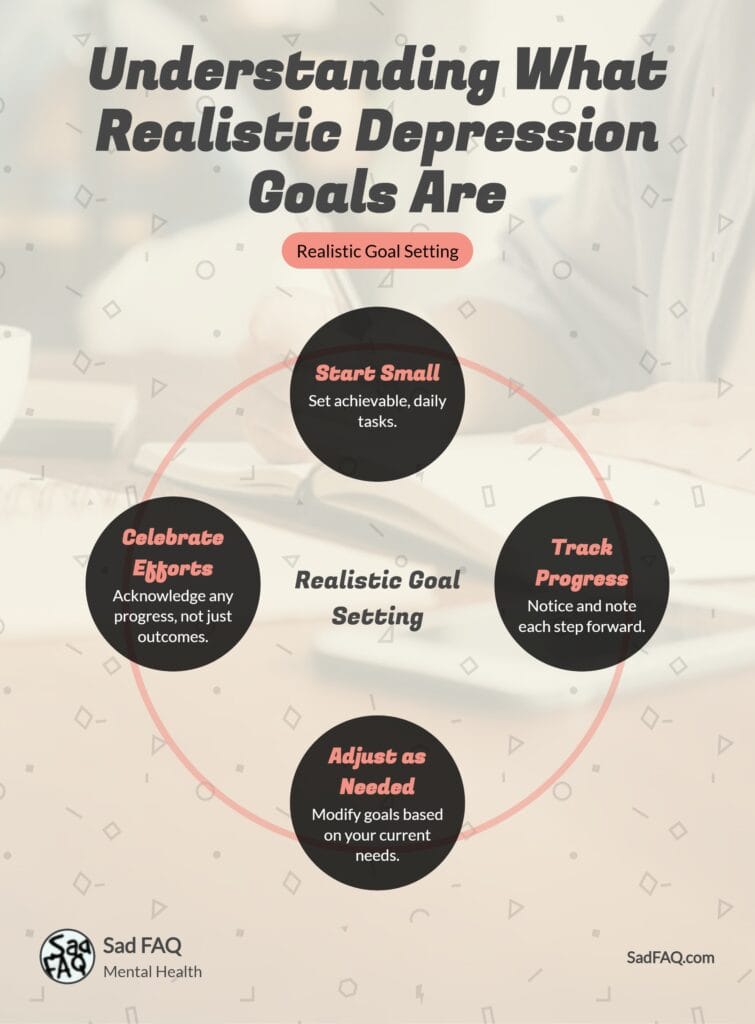
It’s easier to reach your goals when you break them down into smaller parts. I all, who wouldn’t rather eat small bits of cake than try to eat the whole thing in one bite? We start to gather momentum when we break things down into smaller parts. One small step leads to another, and before we know it, we’re going forward again.
When you’re dealing with depression and feel like you can’t do anything, like cleaning your house or working on creative projects, remember that it’s all about how you look at things. Recognize how you feel and that some days will be harder than others. This is entirely normal! If you set realistic goals that fit your current state of mind, you’ll make progress toward healing that feels more manageable and less scary.
You may conceive of this procedure as taking care of oneself by giving yourself loving support instead of harsh criticism. Be gentle to yourself and remember that every little step you take is still progress that should be celebrated! You can do this, even if all you have to do today is get up from the couch long enough to get a snack (hey, snack breaks count too!).
Start Small: Baby Steps Matter

Did you know that the phrase “baby steps” was popularized by the movie *What About Bob?* where Bill Murray’s character uses it as a coping mechanism for his anxiety? It turns out that taking small actions, like deciding to drink one extra glass of water a day, can help people with depression feel more accomplished. So next time you’re overwhelmed, remember: even tiny victories count—like finally putting on pants before noon!
“Just keep swimming.” – Dory from *Finding Nemo*
Now that we agree on what realistic goals are, let’s talk about how to start small. You might be wondering how little these little steps should be. Okay, here’s a thought: how about promising to get out of bed at the same time every day? Or you could try to drink a glass of water before you reach for that third cup of coffee (no judgment!).
Taking small steps toward our goals not only helps us reach them, but it also lets us celebrate small wins along the way! Instead of trying to catch that elusive sense of being “happy,” which can feel like trying to catch a butterfly with your bare hands, why not change your focus? Let’s start appreciating the little things that appear boring, like brushing your teeth or taking a shower. That’s correct, you heard me! Those little things you do every day are wins too!
Tidbits on Baby Steps
– Tiny Turtles: Did you know that baby turtles can take their first steps toward the ocean just hours after hatching? If only humans could dodge responsibilities like that—“Sorry, I have to go to the beach now!”
– The Power of One: Research shows that even small goals can lead to big changes. So if your goal is to exercise more, starting with one push-up is like being a superhero in training—cape optional!
– Miniature Marathon: There’s a race in Japan called the “Choco Run,” where participants run just 100 meters for chocolate! It proves that sometimes, the smallest goals (and snacks) bring the biggest smiles!
When we recognize these small victories, it is a way of congratulating ourselves for simply being and doing basic human things. Really, just take a closer look: how many times do we run our daily routines without stopping to acknowledge what we have achieved? Cleaning your teeth might look insignificant but it’s a must!
Taking that shower? Simply the best!
Every time you do these things, you are going to be a step away from making your well-being and hygienetwo aspects that are very important for feeling good in your generality.
Acknowledging and celebrating these small wins will have a domino effect. It’s like throwing a small stone into a lakethe circles move beyond where you would expect. When you allow yourself a bit of credit for brushing your teeth or dressing up, it elevates your spirit and gives you more strength. You may be wondering, “What if I did that today, why not challenge myself to the next one?” In this way, at the same time, cooking dinner or folding laundry becomes something that you don’t fear anymore.
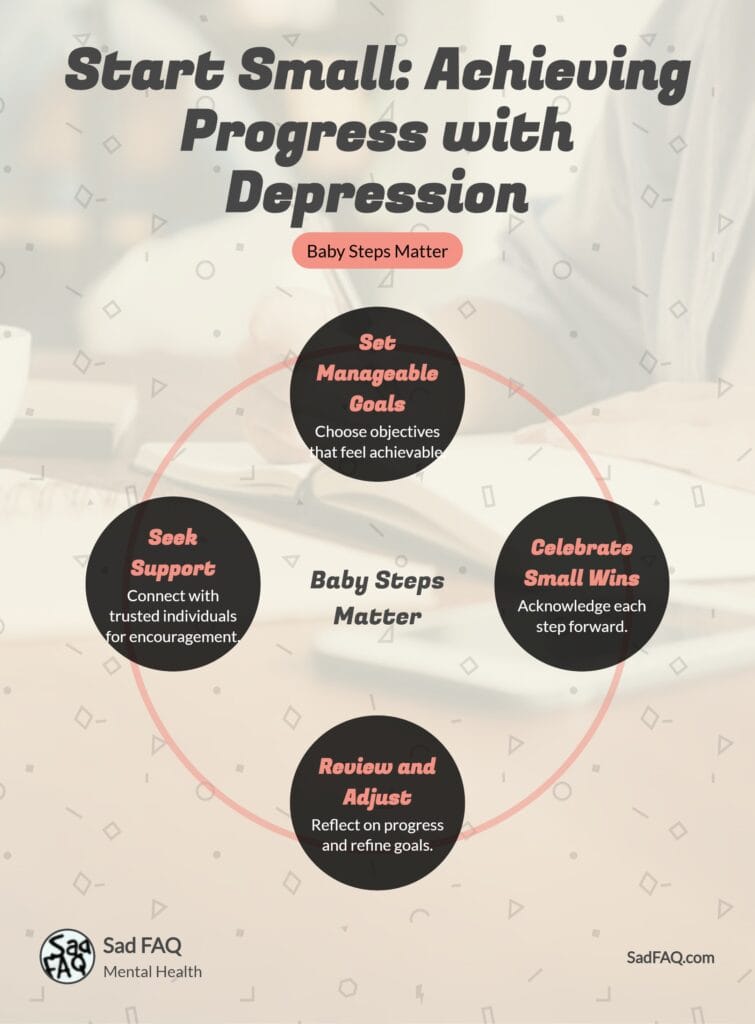
This habit changes the way we think about success. People often tell us that happiness is linked to large accomplishments, like getting the job of your dreams or going on a great trip. But what if we changed the story? What if success meant being able to deal with everyday life with grace, even when it seems too much? We can change how we think about progress and happiness by celebrating those small wins.
So, the next time you’re feeling down or like you’re not doing enough because you’re not checking off big life objectives from your list (who made those lists anyway?), remember this: every single thing you do matters! It’s important to recognize every step forward, no matter how minor, in order to generate momentum toward bigger goals in the future.
Accepting these small wins is good for our mental health and helps us stay strong when things go rough. It tells us that even when things are tough and heavy, there are still reasons to smile, even if they are only little things like washing our hair or putting on clean socks. Enjoy those times! They’re worth their weight in gold, and who knows? They might one day help you feel truly happy again.
Crafting Your Goal List

Did you know that studies show writing down your goals can actually make you more likely to achieve them? But here’s the funny part: if you write “become a millionaire” next to “learn how to juggle,” you might end up juggling your bills instead! So, when crafting your goal list, remember to keep it realistic—unless you want a circus act as your side gig!
“I think goals should never be easy. They should force you to work, even if they are uncomfortable at the time.” – Michael Phelps
Let’s get crafty with goal-setting! Grab some paper or open up your notes app because it’s time to make a list. This isn’t just any list; it should reflect things you’d genuinely like to achieve—even if they seem minor at first glance.
For example:
– Daily Walks: How about aiming for 10 minutes outside?
– Social Interaction: Could you text one friend every week?
– Mindfulness Moments: Try meditating for two minutes daily—yes, just two!
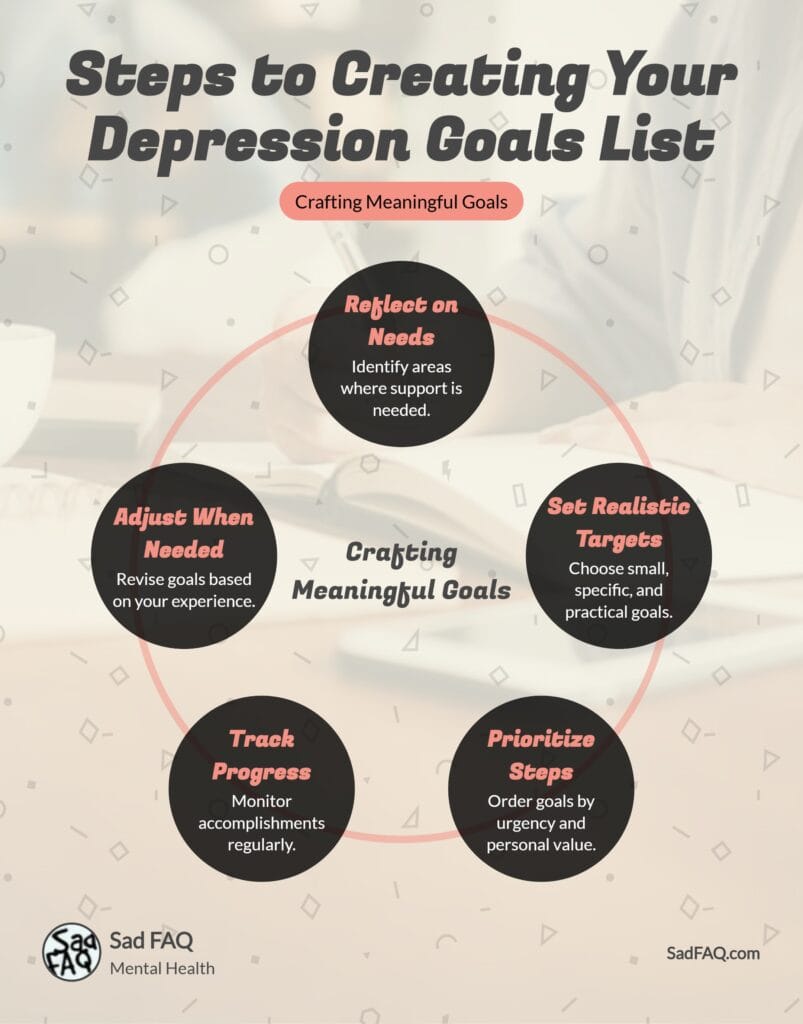
The one thing that this place is good at is its flexibility; if you find that something is not good after you have used it for a week or so, then surely you can change it without any hesitation! Life is basically experimentation through mistakes (recall the time when you were figuring out the one that is not a bike?).
Celebrating Progress Along the Way

Did you know that celebrating small wins can actually boost your mood more than winning the lottery? That’s right! Studies suggest that people who celebrate tiny achievements—like finally getting out of bed before noon—report feeling happier than those who just focus on big goals. So, next time you finish a task, reward yourself with a dance party for one (pajamas optional)!
“There is no health without mental health.” – David Satcher
As we strive toward our goals, it’s really vital to celebrate our progress. It keeps us going when things become rough! Have you ever noticed how good it feels when someone tells you that you did something well? We also do well when we encourage ourselves!
Think about giving yourself a treat when you reach certain goals. Who doesn’t love a good reward? It’s like giving yourself a small pat on the back for all the effort you’ve done. Maybe it’s relaxing and watching an episode of your favorite show without feeling bad about it. You know that feeling when you finally get to sit down on the couch with a bowl of popcorn and know you deserve it? It’s the best! Or how about treating yourself to some dessert from the bakery down the street? Just thinking about how good that first piece of a gooey chocolate cake or flaky pastry will be can make anyone grin.
Whimsical Wonders of Celebrating Progress
– Birthday for Every Achievement: In some cultures, people celebrate small wins with mini-parties! Imagine throwing a party for finishing your homework. “Cake for completing Chapter 3? Yes, please!”
– The Confetti Cannon: Studies show that celebrating small goals releases feel-good chemicals in your brain. So every time you check off a task, imagine shooting confetti like you just won the Olympics—minus the athletic training!
– Dance Like No One’s Watching: Some folks celebrate progress by doing a silly dance. Whether it’s the “Happy Chicken” or the “Victory Wiggle,” nothing says “I accomplished something!” like busting out moves in your living room!
These celebrations are more than simply fun; they remind us that we’re making progress. Every time we attain a goal, it’s like adding another brick to the base of our mental health. When we take time to celebrate these minor wins with something fun, it encourages us to keep doing the right thing and keeps us going when things get tough and everything feels heavy.
Consider this: how often do we hurry through life without taking the time to enjoy our successes? We can be our own worst critics, only thinking about what still has to be done instead of how far we’ve come. When we give ourselves these small rewards, we change our attitudes from being stressed and pressured to being happy and thankful. When you turn on a light in a dark room, you might view things in a new way.
When you plan these “treat yourself” times, you get excited about attaining your goals. You could say that if you finish an assignment or get out of bed before noon (no judgment here!), you’ll treat yourself to that tasty cupcake you’ve been wanting since last week. This gives you something real to look forward to: a little party at the end! And really, who doesn’t want cupcakes?
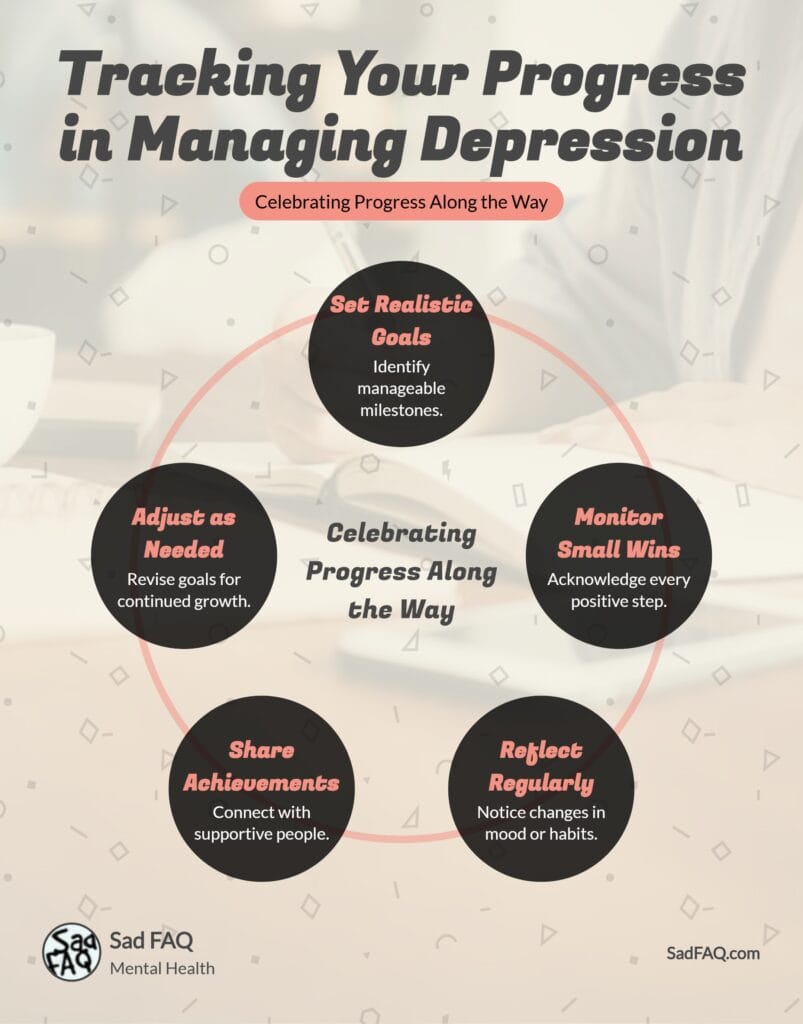
These delights don’t necessarily have to be about food. Maybe you need to take some time for yourself, like having a bubble bath with your favorite book or binge-watching that new show that everyone is talking about. The most important thing is to find what makes you happy and use it to keep going on your trip.
Don’t forget to treat yourself when you reach a milestone, no matter how tiny it is. These celebrations keep our spirits high and remind us that we’re making progress even when things get rough. They can be as simple as eating dessert from that cute bakery or curling up with your favorite show after finishing a hard task.
Giving ourselves treats helps create an atmosphere where growth is seen as a good thing instead of a bad thing. It helps us stay positive when things are hard and reminds us that every step we take deserves to be recognized, even if it comes with sprinkles on top! So go ahead and enjoy those wins because they really do matter!
Seeking Support When Needed

Did you know that asking for help can actually make you feel more powerful? In a study, people who sought support reported feeling like superheroes—yes, capes included! It turns out that sharing your struggles with others not only lightens the load but also makes you feel connected. So next time you’re down, remember: even Batman had Robin!
“Sometimes, the most productive thing you can do is relax.” – Mark Black
Having support while working on our personal goals is great, but everything becomes easier with supportand, well, who doesn’t love having some company on their journey? It doesn’t matter if it’s friends who understand what you’re going through or professional therapists who guide us through difficult emotionswe are not required to go solo!
It is extremely beneficial not to keep your goals to yourself. Completely honest, you open to share your goals might discover that friends or family members have great ideas for you. Besides, they can even be part of your journey, the whole process will then be way more fun. Just imagine saying something like, “Hey buddy! Want to walk with me twice this week?” It’s not just about those steps; it’s about building a sense of camaraderie and support.
Insights on Seeking Support
– The Buddy System: Did you know that having a friend help you with goals can make you more successful? It’s like having a personal cheerleader, but without the pom-poms—unless your friend brings them!
– Texting for Help: Studies show that texting someone when you need support can boost your mood. So go ahead, send a message! Just don’t text while trying to cook or drive—safety first!
– Pet Therapy: Feeling down? Spending time with pets can lift your spirits! Dogs and cats are great listeners, plus they won’t judge you for eating an entire pizza by yourself.
When we invite others into our goal-setting processes, we’re essentially building a little community around our aspirations. Think of it as forming an unofficial cheerleading squad—everyone loves a good cheerleader! Not only does this create accountability (because let’s face it, nobody wants to bail on their friend), but it also strengthens bonds with loved ones. You’ll likely discover that your shared experiences bring you closer together. Maybe you’ll end up chatting during those walks about everything under the sun—from life’s big questions to what’s for dinner!
Sharing goals can also lead to unexpected collaborations. For example, if you’re trying to eat healthier and mention it during lunch with friends, someone might say, “Oh! I’ve been wanting to try meal prepping!” Suddenly, you’ve got a partner in crime who can help keep you motivated and inspired. It’s like having a built-in support system without even realizing it was there all along.
When you share your aspirations out loud, there’s something magical that happens—it becomes more real. You’re putting it out into the universe and inviting others to hold you accountable. The next time you think about skipping that workout or indulging in one too many cookies (guilty!), your friend might text you a gentle reminder or suggest going for a walk instead. That little nudge can make all the difference!
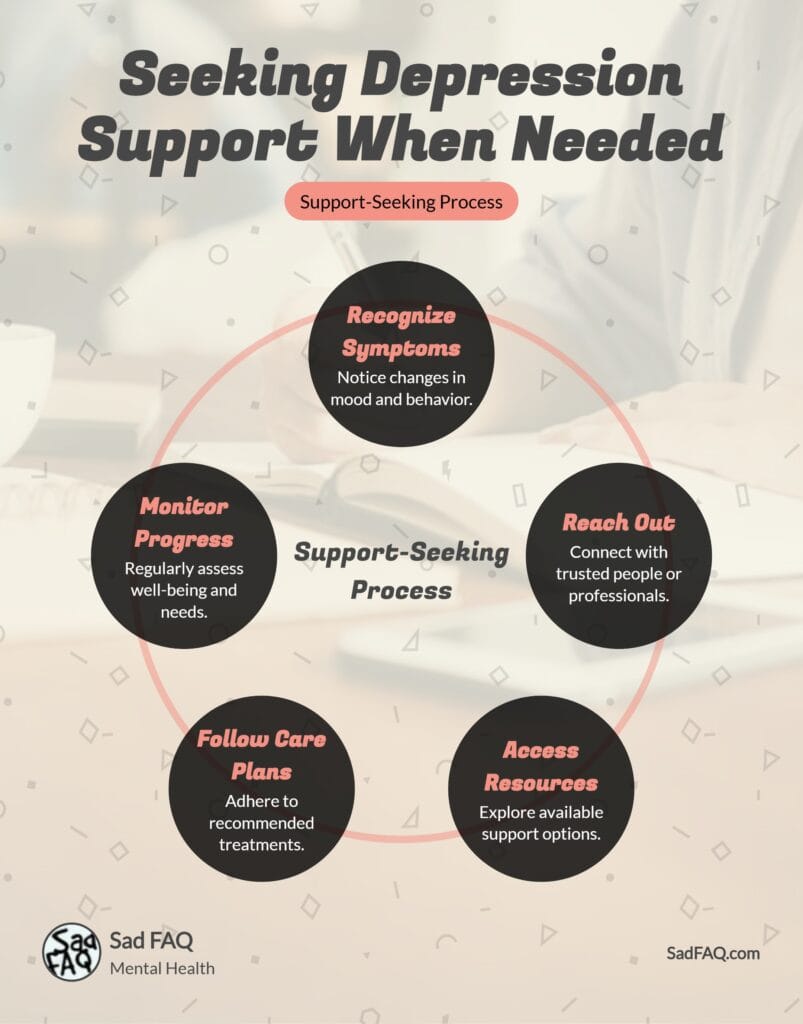
When you talk about your ambitions, it typically encourages other people to do the same. It’s like unlocking Pandora’s bottle of hopes and dreams. When one person talks about what they want to do, everyone other is motivated to do the same. Who knows? Just talking about your own inspiration could inspire someone else!
Sharing your goals not only holds you accountable and motivates you, but it also makes failure seem less scary. You have individuals who understand what you’re going through since they’ve been on the road with you, even if things don’t go as planned. They can help you feel better or give you useful advise based on what they’ve been through.
Don’t keep it to yourself the next time you want to do something new or push yourself in some way. Tell your friends or family about your goals; they could surprise you with how much they want to help you reach them! After all, it’s often more fun to reach our goals when someone is cheering us on from the sidelines or walking next to us. Remember: working together makes the dream come true!
Adjusting Goals as You Go

Were you aware that a research revealed the fact that individuals that modify their objectives are in most cases more satisfied than those who keep their goals unchanged? It is similar to forcing your outdated jeans to fit after the festive season. But at times, one is just better off getting a larger size and having fun with the cookies! Goal flexibility can result in unanticipated triumphs such as unearthing new interests or just getting happiness from not worrying about the perfection.
“Life is what happens when you’re busy making other plans.” – John Lennon
For sure, life is full of ups and downs (and sometimes unexpected detours), so changing our objectives according to the situation is a part of being humanand of course, when we are talking about depression. It is not true that a thing that has failed last month will not succeed in the future!
Imagine that due to some reasons, walking every day is out of the question, what would you do? Don’t you think that giving up and changing your plan is the best solution for you? Well, the truth is that it is absolutely alright to do so depending on your mood. It is not just a matter of life and death; rather, it is like a dance where you sometimes have to change the beat. Perhaps today is not the right moment for a quick walk around the block, but that’s okay!
Whimsical Wonders of Adjusting Goals
– Goal-Setting with a Twist: Did you know that some people write their goals on sticky notes and put them on the fridge? It’s like a motivational art exhibit, except instead of fancy paintings, you get reminders to not eat the entire cake!
– The Power of Erasers: When adjusting your goals, it’s okay to use an eraser! In fact, studies show that people who change their plans are more successful. So go ahead—erase that “run a marathon” goal and replace it with “walk to the fridge.”
– Dance Breaks for Motivation: Taking dance breaks can help you adjust your mood and goals! Just remember: if your goal is to be productive, make sure your dance moves don’t involve too much flailing or knocking over furniture.
Instead of putting on those sneakers and trekking out the door, try something lighter, like practicing stretches at home while listening to your favorite music. Imagine this: you’re listening to a fun playlist and lying on your soft yoga mat. Stretching may be quite good for your body and mind. It can help you relax without putting too much effort on yourself. And who doesn’t love a surprise dance party in their living room?
Stretching can make you feel better! It lets you move slowly and not too hard. A few minutes of stretching might help your tight muscles relax after sitting for a long time or being agitated. And let me tell you, nothing feels better than finally being able to touch your toes (or at least get near). You’re not just taking care of your body; you’re also boosting your mind.
Listening to music while you stretch makes it much more fun. Music has a magical power to elevate our spirits and take us away from our problems, even if it’s just for a little while. So go ahead and turn up the music! Adding music to your daily routine may make things that seem like chores more exciting and engaging, whether it’s pop songs that make you want to dance or peaceful tunes that help you clear your mind.
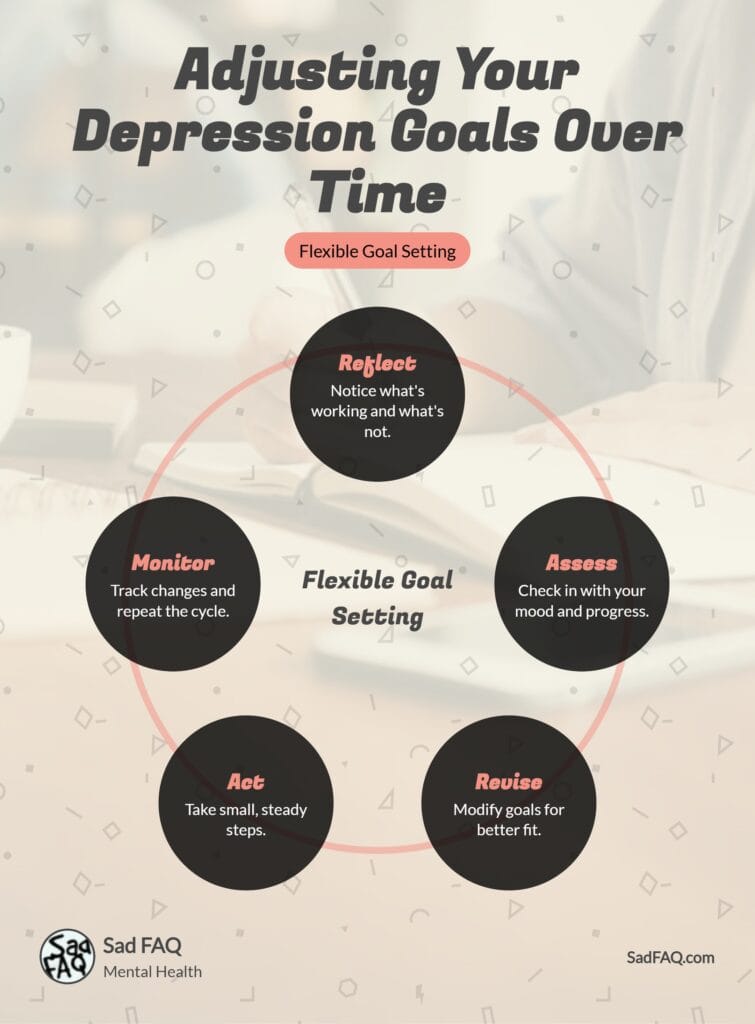
You are also sending a strong message to yourself by changing your routine in this way: it’s alright to not act like everything is normal every day. It’s important for our health to know when we need to rest or alter things around. This freedom lets you be kind to yourself instead of critical of yourself, which is an important part of any healing process.
And here’s another idea: once you become used to stretching at home, it might make you want to go outside again! We sometimes just need a short break from our normal routine before we can get back to work full speed. You could find that after relaxing inside with music and stretches for a while, you want to go outside again sooner than you thought!
So keep this in mind: don’t worry if daily walks seem hard right now since you’re tired or have other problems. Take advantage of the chance to try out different ways of moving that seem right for you right now. Who knows? You might find new activities along the way that make you happy in ways you didn’t expect, while still keeping you connected physically and emotionally.
It’s very normal for your priorities and abilities to change throughout time. Instead of fighting against these changes, accept them because progress can happen in numerous ways!
Conclusion: Your Journey Matters
Setting practical goals for overcoming depression is not solely about checking off tasks; it is acknowledging what we have while moving towards what we would like to have at some point, even if “some day” is different from what we expected. Remember that the experience is as important as any arrival!
Therefore, if the sun is shining or the sky is cloudy with today, take comfort always that progress is made in different forms and sizes… One step could be just watching funny cat videos on the internet instead of doing a complete change of routine (there is no shame). Continue to move on…
Suggested Resources
Mental Health America
https://www.mhanational.org/
NAMI – National Alliance on Mental Illness
https://nami.org/
HelpGuide – Setting Goals
https://www.helpguide.org/articles/mental-health/setting-goals.htm
Mindful – Mindfulness Practices
https://www.mindful.org/
Verywell Mind – Coping Strategies
https://www.verywellmind.com/coping-with-depression-2795771
Frequently Asked Questions
What are realistic goals when dealing with depression?
Realistic goals are small, achievable steps that match your current energy and emotional capacity. They help reduce overwhelm and create a sense of steady progress.
Why is it important to break big tasks into smaller steps?
Breaking tasks into smaller steps makes them more manageable and boosts motivation. Each completed step provides a sense of accomplishment that encourages continued effort.
How can celebrating small wins help with depression?
Recognizing small achievements builds confidence and improves mood. These small victories create positive momentum and help reinforce healthy routines.
Is it helpful to write down my goals?
Yes. Writing down goals increases commitment and clarity. It helps track progress, stay organized, and adjust plans when needed.
When should I seek support from others?
Seek support when tasks feel overwhelming, motivation drops, or emotions become difficult to manage alone. Friends, family, or professionals can offer guidance and encouragement.
How do I adjust goals when my energy or mood shifts?
Adjust goals by reducing intensity, shortening duration, or choosing lighter alternatives. Flexibility ensures goals remain achievable even on difficult days.
Can small daily actions really improve depression symptoms?
Yes. Small actions like getting out of bed, showering, or taking a short walk help build routine, reduce stress, and support long-term emotional resilience.

Kevin Collier is a passionate mental health advocate and writer for SadFAQ.com, where he explores the complexities of depression and mental well-being. With a deep understanding of mental health challenges, Kevin provides compassionate insights and practical advice to help individuals navigate their journeys toward healing. His articles aim to destigmatize mental health issues, offering support and resources for those seeking to improve their emotional resilience. Committed to raising awareness and fostering open conversations, Kevin’s work empowers readers to prioritize their mental health and seek the support they deserve.