
Life is really unpredictable, isn’t it? One moment you are going through it smoothly and the next you get a mental health stressor that is so overwhelming that it feels like a boulder coming down the hill straight at you. It doesn’t matter if these stressors are caused by work, relationships, or the routine of life, they can become so heavy on us that we are not even aware of their total effect. Hence, why not knowing our way through these difficult times and figuring out what these irritating mental health stressors are!
Top Takeaways and Key Concepts
- Identify your personal stress triggers to anticipate and manage them effectively.
- Practice self-care activities like exercise, hobbies, and laughter to lower stress.
- Maintain healthy sleep routines and relaxation rituals to improve mental resilience.
- Seek support from friends, family, or professional therapy when needed.
- Use mindfulness, journaling, or creative outlets to process emotions and reduce anxiety.
Summary:
The text explains that mental health stressors can come from work, relationships, finances, and daily life, affecting both emotional and physical well-being. Understanding personal triggers allows proactive coping through self-care, exercise, humor, creative outlets, and mindfulness. Adequate sleep and structured relaxation rituals help prevent the stress-sleep cycle from worsening. Seeking social support, therapy, or specialized treatments like CBT or EMDR provides tools to manage anxiety and negative thought patterns. Overall, combining self-awareness, coping strategies, and professional help fosters resilience and mental wellness amidst life’s unpredictable challenges.
What Are Mental Health Stressors?

Did you know that the average person has about 60,000 thoughts a day? That’s like hosting a non-stop mental party where most of the guests don’t even RSVP!
Quote: “Stress is like a rocking chair; it gives you something to do but gets you nowhere.” — Glenn Turner
First of all, let us confirm what the term “respective mental health stressors” stands for. Imagine them as those pesky little gremlins that suddenly appear in your head when you do not even think about it. They can be from anywhere – work, friends, money, you name it! At times they are large like the death of a beloved one or going through a big change in life; at other times they are just small things that keep coming up like a heap of dirty laundry.
To tell you the truth, our brains are set up to react to stress. It is somewhat like having an internal alarm system which is always ready to catch any threat or unpleasant feeling and then give its signal. But here is the point: not all stress is bad! Some pressure can energize us to meet our deadlines or accomplish a difficult task. The problem is how to go about the times when stress becomes toxic and still be able to manage them.
Fun Facts About Mental Health Stressors
– The Great Coffee Conundrum: Did you know that 80% of Americans drink coffee? But for some, too much caffeine can turn into a stress monster. It’s like inviting a hyperactive squirrel to your calm picnic—chaos ensues!
– Pet Therapy Power: Owning a pet can reduce stress levels by up to 24%! That’s right, snuggling with a furry friend is scientifically proven to make you feel better. Just be careful not to let your cat take over your laptop during work hours!
– Social Media Stress: A study from the University of Pennsylvania in 2018 found that limiting social media use can lead to significant decreases in anxiety and depression. So, if you’re feeling down, maybe it’s time to log off and go outside… or at least watch cat videos instead!
You might be confused about why some people seem to manage stress like pros while others can’t take it. Isn’t it an interesting question? Well, part of the explanation has to do with personality qualities and ways of dealing with problems. Some people do better when things are stressful; they use stress to boost their productivity. You know how some people can do a lot of things at once without becoming tired? They are like the office’s superheroes! On the other hand, some people feel crushed by even the smallest amount of strain and can’t handle everything life throws at them.
So what’s going on? Why do we all act in such distinct ways? A lot has to do with how our brains work. Some people are innately positive or have strong personalities that help them get back on their feet after a setback. Some people have anxiety or perfectionism, which makes them more sensitive to stressors that wouldn’t bother most people. For example, picture two students taking a test. One is sure of herself and sees it as a challenge, while the other is so scared of failing that she can’t move. The difference in how they see things can have a big impact on how they deal with things.
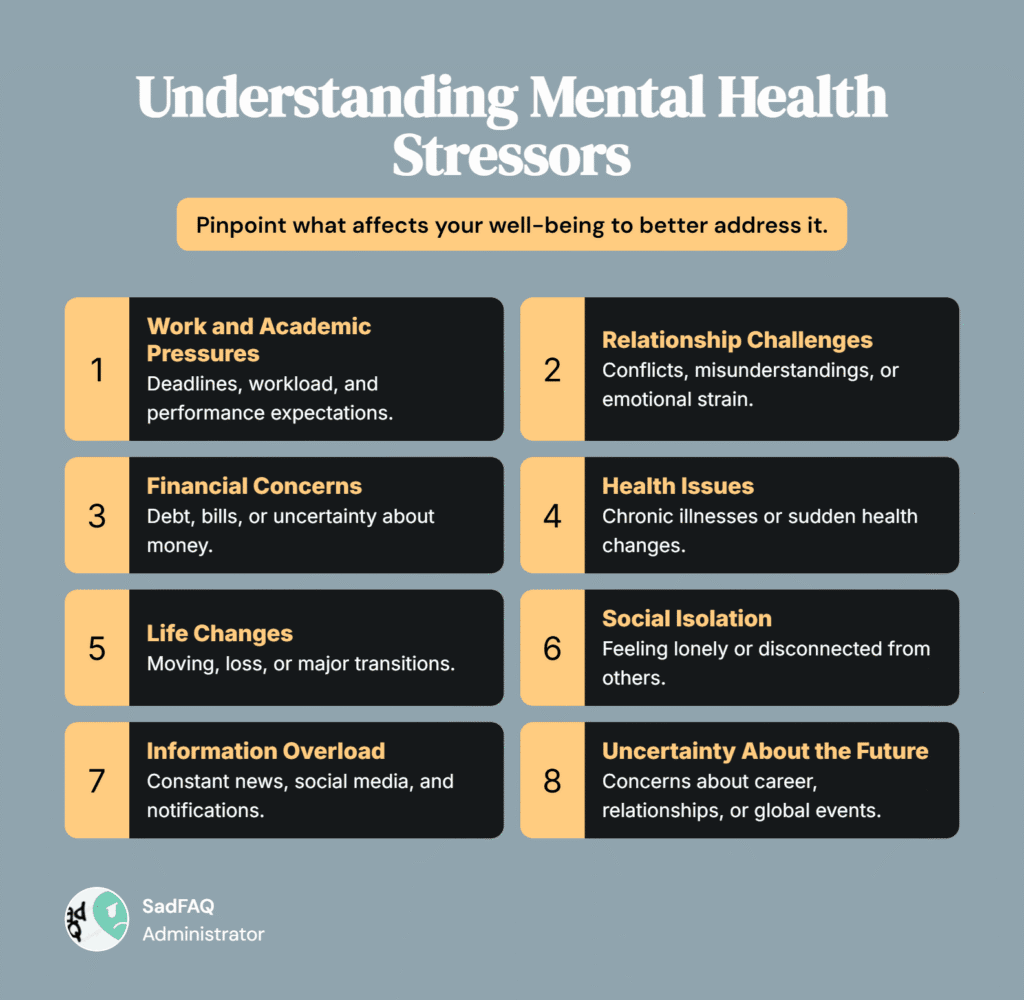
To deal with the ups and downs of life well, you need to know what sets you off. If you know that speaking in front of people makes your palms hot and your heart race like you’re auditioning for a reality show, you can do things to get ready mentally before you go on stage. You can do deep breathing exercises or picture yourself being successful ahead of time. It’s all about finding what works best for you!
Also, knowing how you deal with stress in your own way might help you come up with better ways to deal with it that fit your personality. If you tend to withdraw when things get tough, for example, it might not seem naturally to you to ask for help from others. But knowing this about yourself might make you more likely to ask for help when things get hard instead of shutting yourself off even more.
To be fair, no one has a flawless way to deal with stress; we all have our bad days! But being aware of ourselves gives us the freedom to make decisions that are in line with our strengths instead of letting outside forces control how we behave. So, the next time life throws you a curveball (and it will, believe me!), remember that understanding yourself is half the battle!
Common Sources of Stress

Did you know that your brain can actually perceive stress as a threat, even if it’s just your phone buzzing with a new notification? It’s like having a tiny alarm system in your head that goes off for everything, including the pizza delivery guy!
Quote: “Stress is caused by being ‘here’ but wanting to be ‘there.’” — Eckhart Tolle
Mental stress are different. They aren’t always visible. So let’s talk about the origins of these mental stress. One of the main sources of stress is the workplace. I mean, who hasn’t been in a situation where a deadline or a boss made them feel overwhelmed? It’s like juggling fire while riding a unicycleamazing but totally terrifying!
Love is another target that often causes mental stress. So, the question is: Who are these relationships – friends, family, or lovers? The most irritating things in life turning into huge fights is what happens in families quite often. And if you want me to speak about social media, I can’t keep quiet. Looking at the perfect lives of others that are posted online can make you feel worse quicker than you can say “FOMO.”
Whimsical Wonders of Stress Sources
– The Email Avalanche: Did you know that the average office worker receives about 121 emails a day? That’s like trying to drink from a fire hose while juggling flaming swords—no wonder we feel stressed!
– Family Gatherings: According to a survey by the American Psychological Association, 38% of people find family gatherings more stressful than going to the dentist. Yes, Aunt Edna’s questions about your love life can be more nerve-wracking than a root canal!
– Traffic Trouble: A study from INRIX found that Americans spend an average of 97 hours stuck in traffic each year. That’s like binge-watching your least favorite show on repeat! If only honking could magically make the cars move faster…
Financial problems can be like that annoying family member who stays too long and won’t leave. You know how it feels when bills are stacking up, bank statements are starring at you with judging eyes, and you’re always thinking about how to make ends meet. It’s not surprising that money problems are a big worry for so many people. Honestly, it can feel like you’re attempting to juggle blazing torches while riding a unicycle on a tightrope. One wrong move and everything could come crashing down.
Think about how it would feel to wake up every day with that nagging worry about whether you had enough money to pay this month’s rent or mortgage. It’s like having a clock that never stops ringing! As deadlines get closer, the stress increases, and all of a sudden you’re not only stressed; you’re also irritated and can’t focus. You might yell at people you care about or have trouble concentrating at work because all you can think about are the bills that are coming up. It’s hard not to allow worries about money affect every part of your life.
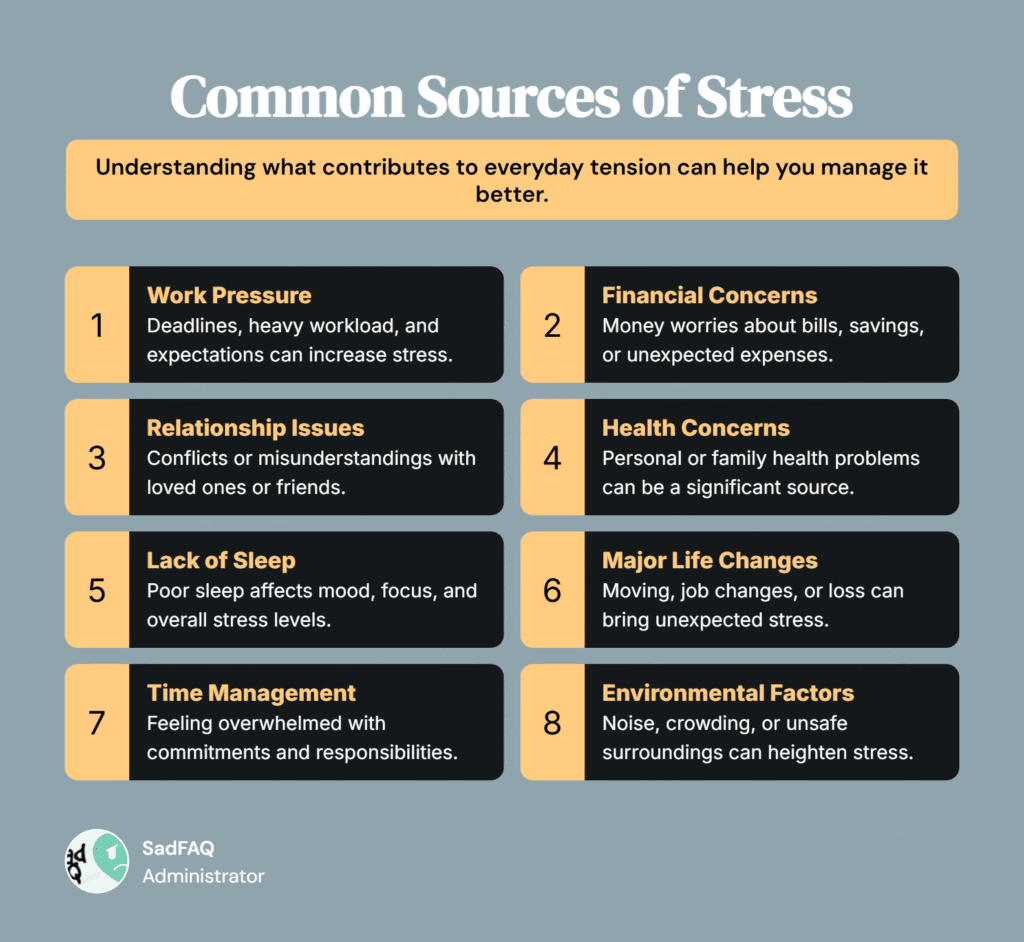
Money problems don’t just hurt your cash; they also hurt your emotional health. Chronic financial stress can cause anxiety disorders and depression, according to research. It’s hard to stop the loop when your brain is occupied figuring out how much things cost instead of thinking about more pleasant things, like what flavor of ice cream to get or how to organize a great weekend. When you try to get out of it, you sink deeper, just like being stranded in quicksand.
So what can we do to fix it? First, it’s important to admit that these sentiments are real. You’re not the only one who is having a hard time! A lot of people have the same problems, especially when the economy is bad and inflation appears to want to destroy everyone’s day. Once you acknowledge this fact, think about making tiny changes to how you handle your money.
Making a budget might sound boring (who wants to sit down with spreadsheets when there are cat videos to watch?), but it can help you see things more clearly in the middle of all the noise. Start by keeping track of where your money goes each month. This simple thing can really open your eyes! Once you know exactly what your finances are like, you’ll be able to make smart choices instead of letting worry control your selections.
Another useful piece of advice? If you’re feeling overwhelmed, don’t be afraid to ask for help! There are a lot of services out there nowadays. For example, local community organizations that help people with their finances and online sites that have budgeting tools and guidance from experts who have been through similar problems themselves. Talking things over with someone else can sometimes make all the difference!
At the end of the day, remember that even if money problems may seem big right now, they don’t have to define your whole life. You can get your finances and peace of mind back if you put in the time and effort (and maybe some ice cream therapy).
How Stress Affects Mental Health

If you’re feeling stressed, just remember: your brain can literally shrink under pressure! Chronic stress can reduce the size of your hippocampus, which is responsible for memory and learning. So, if you forget where you put your keys, it might be because your brain is too busy dealing with life’s chaos!
“The greatest weapon against stress is our ability to choose one thought over another.” – William James
Handling mental health issues is not just an unpleasant experience – it can even have a serious impact on our general health! When we are ‘under pressure’ all the time with life’s demands, our bodies respond both physically and emotionally. You could be experiencing anxiety and irritability more frequently than before.
In addition, prolonged stress has been associated with several mental health disorders including depression and anxiety. It is very similar to making a sandcastle at low tide: you cannot make anything nice no matter how much you try because the waves keep coming and taking away what you have made.
Amusing Insights on Stress and Your Brain
– The Stress Monster: When you’re stressed, your brain releases a chemical called cortisol. Too much of it can make you forget where you put your keys—again! It’s like having a tiny monster in your head that loves to play hide-and-seek with your memory.
– Laughing is Free Therapy: Studies show that laughing can reduce stress by lowering cortisol levels. So, if you’re feeling overwhelmed, just watch a funny cat video! Those silly felines are basically little therapists in fur coats.
– Chocolate Rescue Mission: Eating chocolate can actually help lower stress levels. Dark chocolate contains flavonoids that boost mood. So next time you feel stressed, remember: chocolate is not just a treat; it’s also a mental health superhero (cape not included)!
It’s interesting that when we’re stressed out, our sleep typically goes down the drain! You know how it is: you lie down, and all of a sudden your mind starts to repeat all the embarrassing things that have happened to you in the last ten years. Those rushing thoughts might make it seem like you can’t get any sleep, turning what should be a tranquil break into an endless cycle of worry and anger. It’s like trying to sleep on a rollercoaster that won’t stop going up and down and around and around.
Let’s talk about that bad cycle for a minute since it really deserves its own time in the spotlight. Your body can’t rejuvenate when you don’t get enough sleep. Not getting enough sleep makes you feel sleepy and cranky during the day. I’ve actually caught myself staring blankly at my computer screen, wondering if I could simply curl up and go to sleep instead of doing whatever I had to do. And you know what? That tiredness can really make your stress worse! It’s like adding gas to a fire; everything suddenly seems ten times worse than it did before.
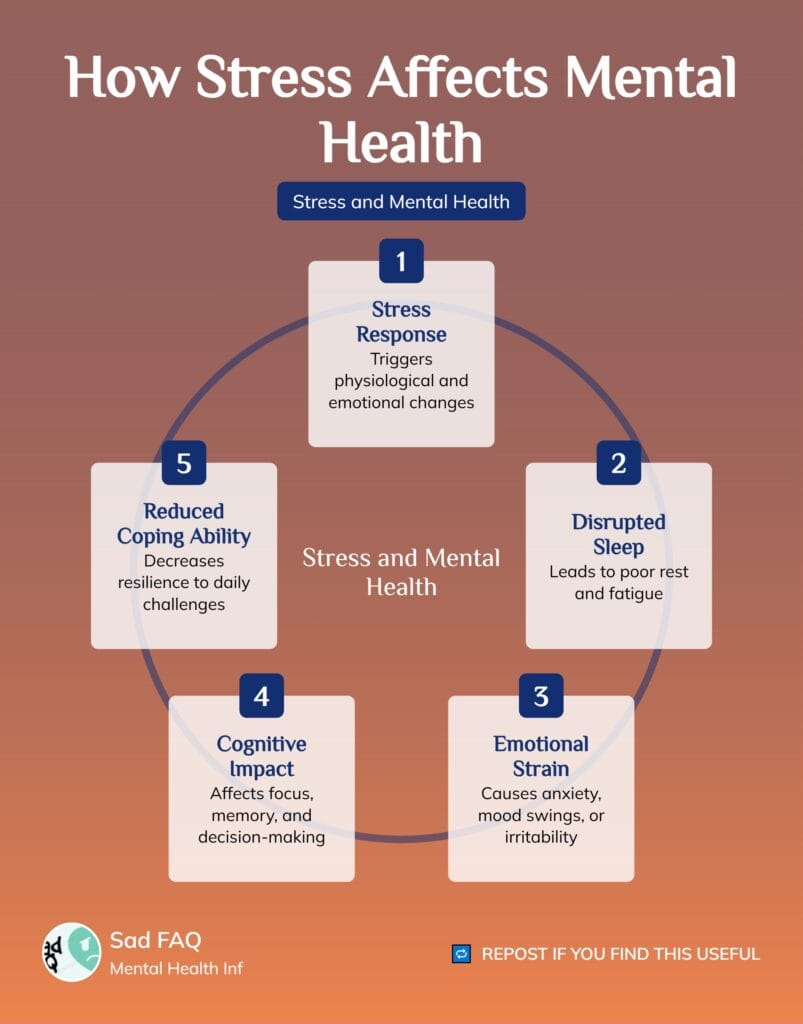
You might be curious about why this happens. When we’re weary, our brains have a hard time handling our feelings. It’s like someone turned down the volume on our ability to deal with stress and turned up the volume on our anxiety. So now you’re not only dealing with stress from job or your personal life, but you’re also dealing with irritation that comes from being tired. Who really needs that extra layer of mess?
So what can we do about this whole problem with sleep and stress? To begin with, having a sleep ritual can make a big difference! You may think of it as giving yourself permission to relax after a long day. You could read a book (one without any cliffhangers), drink some herbal tea, or do some relaxation exercises like deep breathing or gentle stretches. It’s just as vital to make your bedroom a good place to sleep. For example, dimming the lights and putting away screens at least an hour before bed might tell your brain that it’s time to relax.
Another thing to think about is keeping a journal beside your bed. Writing down your racing thoughts could help you quiet your mind if they keep coming up while you try to go asleep. It’s like saying to your brain, “Hey buddy!” I guarantee we’ll take care of these problems tomorrow! Trust me, writing things down can help you let go for a while.
And don’t forget about good old-fashioned exercise! Getting some exercise throughout the day can help you sleep better at night and lower your stress levels. Just don’t plan on doing hard workouts too close to bedtime, or you’ll end up with a dance party driven by adrenaline instead of peaceful dreams!
In the end, it’s important for both your mental health and your overall health to find strategies to break the cycle of stress and lack of sleep. After all, who wouldn’t want to sleep better at night and wake up feeling refreshed? You can have serene nights and calmer days if you are patient and dedicated (and maybe cut back on late-night nibbles).
Coping Strategies for Managing Stress

Did you know that laughing can actually help reduce stress? It’s true! When you laugh, your body releases endorphins, which are like nature’s happy pills. So next time you’re feeling overwhelmed, just watch a funny cat video—it’s basically therapy in disguise!
Quote: “Laughter is the shortest distance between two people.” — Victor Borge
How do we handle the annoying mental health stressors, then? First of all, breathe! I mean it; deep breathing really helps to calm our nervous system and provides room to think properly before having a rash reaction.
Moreover, I suppose the best way is to define personal limits, particularly in the area of the relationship between work and life. What if you are doing work when you should be relaxing and chilling with your computer at midnight? (I confess that I have done it several times). Then perhaps it would be wise to renew your commitment to self-care!
Wacky Ways to Tame Your Stress
– Silly Sock Day: Wearing mismatched socks can actually lighten your mood! A study found that doing something goofy, like sporting crazy socks, can reduce stress and make you smile. Who knew fashion faux pas could be therapeutic?
– Dance Like Nobody’s Watching: When you dance around your living room, it’s not just exercise; it’s stress-busting magic! Just 10 minutes of grooving to your favorite tunes can release endorphins—those happy chemicals in your brain. So bust out those moves and shake off the worries!
– Pet Therapy Pawsitivity: Spending time with pets can lower stress levels by up to 30%. Dogs and cats are furry little therapists who listen without judging. Plus, they don’t charge for their services! Just try not to let them eat your homework.
Let’s not forget how powerful self-care is! It’s like a superhero for mental wellness, for real. When life gets too much, doing things that make you happy can make a big difference. Every little thing counts, whether you’re painting your nails a bright pink color (who doesn’t want to feel like a walking piece of bubblegum?) or binge-watching ridiculous rom-coms. Come on, who doesn’t love a good cliché where the bumbling main character slips over their own feet and falls into the arms of their true love? It’s like food for the soul!
Now, let’s look more closely at why these activities that seem so basic are so important. When we take time to do activities we like, it tells our brains that it’s okay to have fun, even when things are crazy. Think about it: those times when you chuckle at predictable story twists or do your favorite pastimes are worth their weight in gold! They give us a much-needed reprieve from stress and remind us that life has its fun little things.
Exercise is also quite helpful, which is interesting. You might be thinking, “Exercise? Really?” But believe me when I say that getting those endorphins circulating is like sending little happiness ninjas all over your body. Just going for a quick walk around the block can make you feel a lot better. Moving your body, whether it’s dancing in your living room like no one is looking or performing yoga while pretending you’re not falling asleep during downward dog, can help fight sorrow and enhance your confidence.
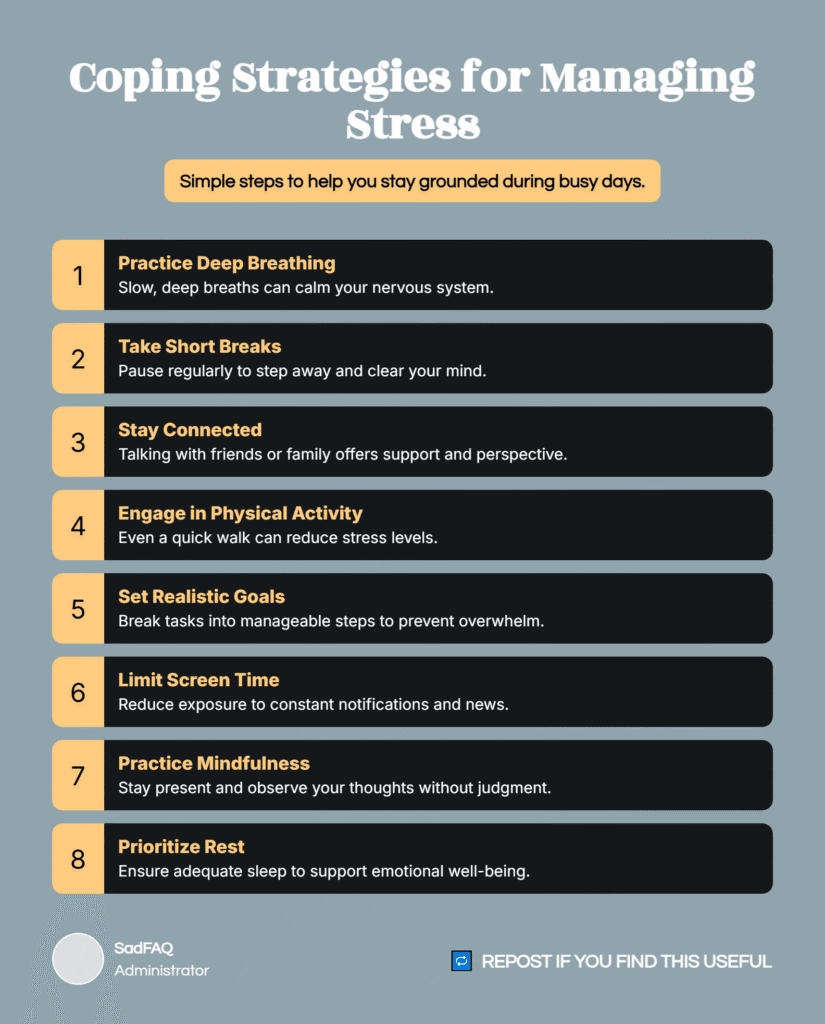
However, here is the thing: you don’t have to run a marathon or lift a weight heavier than your future dreams to enjoy these benefits! Counting simple activities is also allowed. Perhaps you like biking through the park or gardening by watching the flowers grow under your care (and it is quite normal if some plants decide to die). The main thing is identifying what connects you with and brings you joy.
Besides that, we cannot deny the worth of artistic activities! Engaging in drawing, writing poetry, or even doing crafts may be great forms of self-expression that also give an escape from personal stressors. Who would have thought that doodling could be double as therapy? In addition, there is a beautiful thing about making something with your own hands – like macaroni art but without the fear of being judged by kindergarten friends.
Also, think about adding mindfulness activities to your daily life. When life gets crazy, meditation or deep-breathing techniques might help you calm down. If you spend only five minutes a day focusing on your breathing, you can make room for clarity in the midst of uncertainty. It’s like cleaning out that messy closet we all pretend doesn’t exist!
In the end, self-care isn’t just a luxury; it’s necessary to keep our lives in balance. We can deal with stress better when we make time for fun things, like painting our nails in bright colors or watching heartwarming movies all day. So go ahead and enjoy those times that make you feel alive because they really do matter! Remember that life can give us curveballs from time to time, but if we take care of ourselves every day, things will be better. We can do this!
Seeking Support from Others

Studies show that talking to your plants can actually boost your mental health. Seriously! It’s like having a therapist who doesn’t judge you for binge-watching reality TV. Plus, they never interrupt when you’re pouring out your heart about life’s troubles!
Quote: “The greatest gift of human beings is that we have the power of empathy.” — Meryl Streep
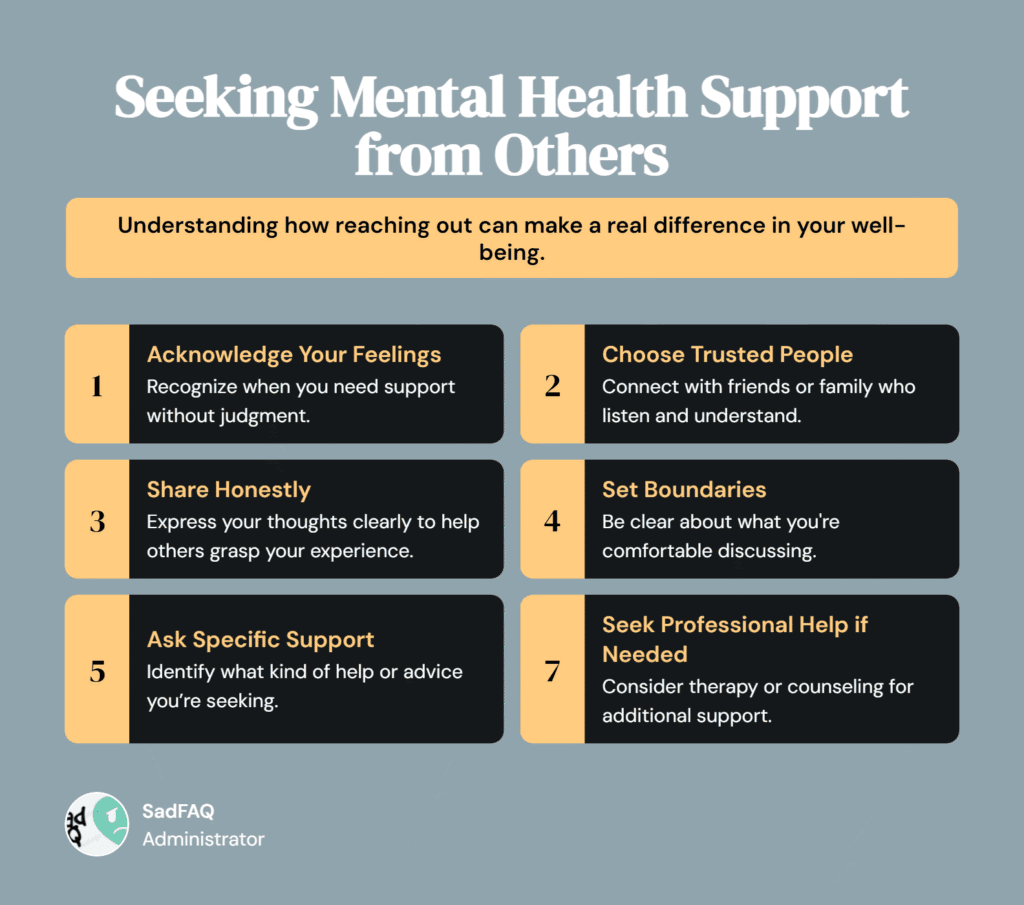
If you really think about, it might sound like a cliche but you should not be afraid to ask for help when you need it! By sharing your struggles with your loved ones, you will not only get the much-needed support but also a new perspective on your problems.
Do you know that sharing your troubles can make you feel lighter? This is actually the case! And sometimes friends might have the perfect piece of advice just waiting for your trouble to unfold so that they can be like superheroes coming at the exact right time to help!
Amusing Insights on Seeking Support
– Group Hug Power: Did you know that group hugs can actually boost your mood? Studies show that a simple hug from friends can lower stress hormones by 30%. So, next time you’re feeling down, gather your pals for a big bear hug—it’s like a free therapy session!
– Laughter is Contagious: When you laugh with friends, it’s not just fun; it’s good for your brain! Sharing jokes or funny stories releases endorphins. In fact, one study found that laughter can increase pain tolerance by up to 20%. So, go ahead and tell that corny joke!
– Texting Therapy: Texting with friends can be as effective as talking face-to-face when you need support. A survey found that 70% of people feel more connected through texting. Just remember to use emojis—they add extra happiness points!
If talking to friends and family doesn’t help or you need more than just someone to listen, you might want to look into therapy choices that are expressly geared to help with those annoying mental health issues. We all know that sometimes our friends and family can only help us so much, no matter how much they want to. They might nod along as you talk about your day, but they don’t necessarily have the tools or training to help you deal with your underlying emotional issues.
This is when therapy comes in like a superhero in a cape! There are a lot of various kinds of treatment, and each one is designed to satisfy a certain need or want. For example, cognitive-behavioral therapy (CBT) helps people find and change negative thought patterns that make them feel stressed and anxious. It’s like having a personal trainer for your brain. It helps you improve your mental muscles so you can deal with whatever life throws at you.
And don’t forget about talking therapy! This method lets you talk about your feelings with someone who is trained to listen without judging. It’s like having a super brilliant friend who knows everything and gives you the perfect answers. Instead of offering you advise over coffee, they help you understand your feelings and develop ways to deal with them that work for you.
Some people also say that group therapy helps them, which is interesting. Picture yourself sitting in a circle with other people who know exactly what you’re going through. You can share tales and ideas and realize that you’re not alone on this crazy trip called life. Group dynamics can help people get along and support each other. It’s like being part of a secret club where everyone understands!
There are some therapies that are only for certain problems, though. Eye movement desensitization and reprocessing (EMDR) can be worth looking into if anxiety or trauma is getting the best of you. This method uses directed eye movements to help you deal with bad memories. It’s like rewinding that movie scene that keeps repeating in your head until it feels less overwhelming.
If you like to try new things, you might want to look into art or music therapy as well. These ways let you express yourself without having to rely on words all the time. Sometimes feelings are complicated and muddy, like attempting to untangle Christmas lights after they’ve been put away for months. When talking doesn’t seem to be enough, creative outlets might help you let them out.
But let’s be honest for a moment: getting expert aid isn’t always easy! There may be concerns about stigma or anxiety about being vulnerable. But I think it’s important to remember that asking for help is one of the most courageous things we can do. We wouldn’t hesitate to consult a doctor for bodily problems (since no one wants an untreated broken arm!), therefore we should give our mental health the same level of attention.
So go ahead and take that step! Look into therapists in your area or online counseling choices. Many specialists now provide virtual sessions, which makes it easier than ever to get help. Finding someone who really gets you is very important. It could take some time, but trust me, it will be worth it when you finally feel heard and understood.
In conclusion, asking for professional help can help us get over those annoying things that are making us unhappy. Therapy gives us useful skills that are made just for dealing with mental health issues and helps us take back control of our thoughts and feelings!
Conclusion: Embracing Resilience Amidst Challenges
Life’s ups and downs are not always easy to manage but keep in mind that you are not the only one who has to deal with these mental health issues related to stress! We develop resilience to go through the next troubles we have yet to encounter by knowing where they come from, practicing coping techniques, and getting help when the time is right.
Therefore, be encouraged; not only does every adversity give us a chance to become better but also to have a laugh at this insane voyage we call life!
Suggested Resources
Understanding Anxiety Disorders
https://www.nimh.nih.gov/health/statistics/anxiety-disorders
Coping With Stress
https://www.apa.org/topics/stress
Mental Health Foundation – Understanding Stress
https://www.mentalhealth.org.uk/publications/how-to-manage-stress
Mindfulness Techniques for Everyday Life
https://www.mindful.org/mindfulness-how-to-do-it/
Frequently Asked Questions
What are common mental health stressors?
Mental health stressors can come from work, relationships, finances, and daily responsibilities. They trigger emotional and physical reactions that can affect overall well-being.
How can I identify my personal stress triggers?
Pay attention to situations that consistently cause emotional discomfort or tension. Journaling and mindfulness can help you recognize patterns and pinpoint what sparks your stress.
Can some stress actually be helpful?
Yes. Small amounts of stress can motivate productivity and help you meet challenges. It becomes harmful only when it becomes chronic, overwhelming, or unmanaged.
How does stress affect mental health over time?
Chronic stress can contribute to anxiety, depression, irritability, and sleep issues. It may also impair memory and emotional regulation if not addressed.
What self-care activities help reduce stress?
Exercise, hobbies, laughter, creative outlets, and relaxation rituals can all support emotional balance. Consistent sleep routines also help lower stress levels.
When should someone seek professional support?
If stress begins interfering with daily life, relationships, or functioning, seeking therapy or counseling can provide structured tools and coping strategies.
What therapies are effective for stress management?
Approaches like cognitive-behavioral therapy (CBT), EMDR, mindfulness-based therapy, and talk therapy can help reduce stress and improve emotional resilience.

Kevin Collier is a passionate mental health advocate and writer for SadFAQ.com, where he explores the complexities of depression and mental well-being. With a deep understanding of mental health challenges, Kevin provides compassionate insights and practical advice to help individuals navigate their journeys toward healing. His articles aim to destigmatize mental health issues, offering support and resources for those seeking to improve their emotional resilience. Committed to raising awareness and fostering open conversations, Kevin’s work empowers readers to prioritize their mental health and seek the support they deserve.